Dinner
Frozen Shrimp Recall Warning: FDA Issues Nationwide Food Safety Alert


Frozen Shrimp Recall Warning: FDA Expands Nationwide Alert Over Safety Concerns
Frozen Shrimp Recall updates have captured national attention as the U.S. Food and Drug Administration (FDA) expands its warning across multiple states. The recall involves frozen shrimp products that may be contaminated with radioactive material, posing potential health risks if consumed.
This developing Frozen Shrimp Recall has raised serious food safety concerns for consumers, restaurants, and grocery retailers alike. Below, we break down what is happening, which products may be affected, and the immediate steps you should take to protect yourself and your family.
What Is the Frozen Shrimp Recall About?
The Frozen Shrimp Recall was initiated after routine inspections detected abnormal radiation levels in imported frozen shrimp batches. According to FDA guidelines, any radioactive contamination in food products exceeds acceptable safety thresholds and requires immediate action.
Radioactive exposure through food consumption, even at low levels, can increase long-term health risks, making this recall particularly serious.
Why the FDA Issued a Nationwide Warning
The FDA expanded the Frozen Shrimp Recall nationwide after discovering that the affected products were distributed to multiple wholesalers and retailers across the United States. This includes:
- Major grocery store chains
- Asian and international food markets
- Food service suppliers
- Online frozen food retailers
Because frozen shrimp has a long shelf life, contaminated products may still be stored in consumer freezers, increasing the urgency of the warning.
Health Risks Linked to Radioactive Contamination
Consumption of contaminated seafood may expose individuals to radiation over time. While a single exposure may not cause immediate symptoms, repeated exposure could lead to:
- Increased cancer risk
- Cellular damage
- Weakened immune response
- Gastrointestinal distress
The FDA emphasizes that no level of radioactive contamination in food is considered safe.
How to Identify Affected Products
Consumers should carefully check:
- Brand name and packaging labels
- Country of origin
- Lot numbers and expiration dates
If your frozen shrimp matches the recall notice, do not consume it—even if it looks or smells normal.
What to Do If You Purchased Recalled Shrimp
- Do not eat the product
- Seal it in a plastic bag
- Dispose of it safely or return it to the store
- Contact the retailer for a refund
FDA Recommendations for Consumers
The FDA urges consumers to stay informed by regularly checking official recall notices. You can visit the FDA’s food recall page for verified updates.
FDA Official Food Recall Notices
Impact on the Seafood Industry
The Frozen Shrimp Recall has caused significant disruption across the seafood supply chain. Importers, distributors, and retailers are tightening quality controls, while consumers are becoming more cautious about frozen seafood purchases.
This incident highlights the importance of food safety monitoring and transparency in global food imports.
How to Choose Safe Shrimp Moving Forward
To reduce future risks:
- Buy seafood from reputable sellers
- Check FDA import alerts
- Look for proper certifications
- Avoid unlabeled or untraceable products
Related Healthy Shrimp Recipes on HomeChefTips
Once the recall is resolved, you can safely enjoy shrimp again by choosing verified products and trying healthy recipes from our site:
Final Thoughts on the Frozen Shrimp Recall
The ongoing Frozen Shrimp Recall serves as a serious reminder of why food safety regulations exist. While recalls can be alarming, they also demonstrate that monitoring systems are actively protecting public health.
Consumers are advised to remain vigilant, follow FDA guidance, and always prioritize safety when handling frozen seafood products.
For the latest updates, always rely on official FDA announcements and trusted food safety resources.


Air Fryer Everything Guide: Master Crispy
Cooking
Explore more: Quick Work Lunches |
Hearty Family Dinners
Why This Air Fryer Everything Guide is a Game Changer
Traditional frying submerges food in hot fat, leading to high calorie counts and a messy kitchen. The air fryer works by circulating air heated up to 400°F (200°C) around the food. This creates the “Maillard reaction”—the chemical process that gives browned food its distinctive flavor.
According to culinary experts at America’s Test Kitchen, the key to success is airflow. If you crowd the basket, you’re steaming, not frying. That is why this Air Fryer Everything Guide emphasizes the “single layer rule” above all else.
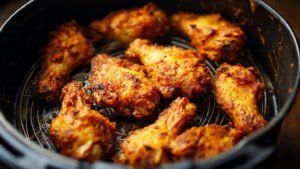
Recipe 1: The World’s Crispiest Air Fryer Chicken Thighs
Nothing says “comfort food” like juicy chicken with skin so crisp it crackles. This recipe is a staple for family dinners because it takes less than 25 minutes.
| Ingredient | Quantity | Preparation Tip |
|---|---|---|
| Bone-in, Skin-on Chicken Thighs | 4 pieces | Pat bone-dry with paper towels |
| Olive Oil or Avocado Oil | 1 tbsp | High smoke point is better |
| Smoked Paprika | 1 tsp | Adds a deep, wood-fired color |
| Garlic Powder & Onion Powder | 1 tsp each | Avoid fresh garlic as it burns |
| Salt & Black Pepper | To taste | Be generous with salt for skin crispness |
Cooking Instructions:
- Rub the chicken thighs with oil and the spice blend.
- Place skin-side down in the basket.
- Set the air fryer to 380°F (195°C) for 12 minutes.
- Flip and cook for another 10-12 minutes until the internal temperature reaches 165°F (74°C).
Essential Air Fryer Accessories & Maintenance
To truly follow an Air Fryer Everything Guide, you need the right tools. While the machine is great on its own, these additions make life easier:
- Silicone Liners: Great for messy sauces, but use them sparingly as they can block airflow.
- Meat Thermometer: The only way to ensure poultry is safe and steak is perfect.
- Oil Spritzer: Avoid aerosol cans (like Pam) as the soy lecithin can degrade the non-stick coating of your basket. Use a refillable spray bottle with pure oil.
Recipe 2: 10-Minute “Roasted” Broccoli (The Perfect Side)
If you hate soggy vegetables, this part of the Air Fryer Everything Guide will be your favorite. Air-fried broccoli tastes like it was charred in a professional wood-stone oven.
| Ingredient | Amount | Note |
|---|---|---|
| Broccoli Florets | 2-3 cups | Cut into uniform bite-sized pieces |
| Lemon Juice | 1/2 Lemon | Add AFTER cooking for brightness |
| Parmesan Cheese | 2 tbsp | Grated |
| Red Chili Flakes | 1/2 tsp | For a GEO-inspired spicy kick |
Method: Toss florets in oil and salt. Air fry at 390°F (200°C) for 8 minutes, shaking halfway through. Top with lemon and cheese immediately. This makes an excellent addition to your work lunches as it stays firm even when reheated.
Global Air Frying
The beauty of the air fryer is its global adaptability. In the United States, it’s used for Buffalo wings and fries. In India, home chefs are using it to make oil-free Samosas and Pakoras. In United Kingdom kitchens, it has become the go-to for “roasties” (roasted potatoes). No matter where you are located, the Air Fryer Everything Guide principles remain the same: high heat, moving air, and minimal oil.
AEO Section: Frequently Asked Questions
Can you put aluminum foil in an air fryer?
Yes, you can use aluminum foil, but with two conditions: First, never cover the entire bottom (airflow must circulate). Second, never put foil in without food on top, or it will be sucked into the heating element and cause a fire.
Why is my air fryer smoking?
White smoke usually means fat is dripping into the bottom pan and burning. To fix this, place a slice of bread or a tablespoon of water in the bottom drawer to soak up or cool the drippings.
Can I cook frozen food directly?
Absolutely! The air fryer is the king of frozen foods. Usually, you don’t even need extra oil. Just add 2-3 minutes to the suggested oven-baking time on the package.
Recipe 3: The “Work Lunch” Salmon Fillet
Healthy fats meet high heat. This salmon is part of our Healthy Bites series and is ready in under 10 minutes.
Ingredients: 6oz Salmon Fillet, 1 tsp Honey, 1 tsp Dijon Mustard, Salt/Pepper.
Directions: Spread the honey-mustard mix over the salmon. Air fry at 380°F for 7-9 minutes depending on thickness. It should flake easily with a fork.
Final Thoughts: Embracing the Air Fryer Lifestyle
As we conclude this Air Fryer Everything Guide, remember that cooking is an experiment. Don’t be afraid to try “air-baking” muffins or even air-frying hard-boiled eggs (yes, it works!). For more ideas on how to feed your family without the stress, explore our Family Dinners section.
Medical News Today: Are air fryers healthy?
For further reading on food safety and internal temperatures, check out the USDA Food Safety Guide to ensure every meal is cooked to perfection.

Starbucks Strike Update: Baristas Begin Returning to Work Nationwide
Starbucks Strike Update news is drawing attention across the United States as a majority of striking baristas begin returning to their jobs following weeks of walkouts. The decision comes amid ongoing negotiations between worker representatives and Starbucks management.
This latest Starbucks Strike Update signals a potential shift toward resolution, though discussions around wages, scheduling, and working conditions are still unfolding.
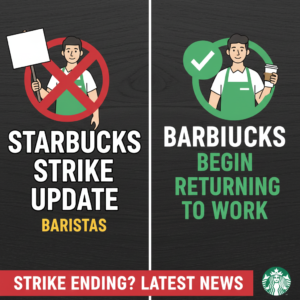
What Is the Starbucks Strike Update?
The Starbucks Strike Update refers to the recent development in which many baristas who participated in coordinated walkouts have chosen to return to work. The strikes, organized by labor groups and unions, aimed to pressure Starbucks into addressing employee concerns.
While not all locations are fully staffed yet, a significant number of stores have resumed more normal operations.
Why Did Starbucks Baristas Go on Strike?
The strike movement emerged as workers raised concerns over several workplace issues:
- Wages and cost-of-living adjustments
- Staffing shortages
- Inconsistent scheduling
- Working conditions and benefits
According to labor advocates, the strikes were meant to accelerate negotiations and bring public attention to barista demands.
Why Are Baristas Returning to Work Now?
This Starbucks Strike Update reflects progress in talks between Starbucks and worker representatives. While no final agreement has been announced, both sides have indicated renewed engagement in negotiations.
Some workers are returning in hopes of resolving disputes through dialogue rather than prolonged walkouts.
Statements From Labor Groups
Union representatives have stated that the return to work does not mean issues are resolved. Instead, it allows discussions to continue while minimizing disruption for employees and customers.
How Starbucks Stores Are Affected
For customers, the Starbucks Strike Update may result in:
- Shorter wait times
- Improved store hours
- More consistent mobile order availability
However, some locations may still experience staffing challenges depending on local participation in the strike.
What Starbucks Has Said About the Strike
Starbucks has reiterated its commitment to working with employees and reaching agreements that balance business sustainability with worker satisfaction.
The company emphasized that it prefers direct communication and aims to keep stores open while addressing employee concerns.
What This Means for Customers Nationwide
The Starbucks Strike Update is largely positive news for customers who rely on daily coffee runs. Many stores are expected to return to normal service levels, especially in high-traffic areas.
That said, customers are encouraged to remain patient as some stores continue adjusting staffing and schedules.
Labor Trends in the Retail & Food Industry
The Starbucks strike is part of a broader labor movement affecting retail and food service industries across the U.S. Workers are increasingly advocating for better pay, flexibility, and workplace protections.
For broader labor coverage, you can visit:
U.S. Department of Labor – Newsroom
Related Food & Lifestyle Content on HomeChefTips
While grabbing your coffee, explore more helpful content on HomeChefTips:
What Happens Next in the Starbucks Strike?
As negotiations continue, future Starbucks Strike Update announcements may include formal agreements, policy changes, or further actions if talks stall.
Both workers and Starbucks leadership have expressed interest in avoiding prolonged disruptions and finding common ground.
Final Thoughts on the Starbucks Strike Update
The latest Starbucks Strike Update suggests a step toward resolution, with many baristas returning to work while negotiations continue. Although challenges remain, the situation reflects evolving labor dynamics within major U.S. brands.
Customers can expect gradual improvements in service while keeping an eye on further developments in the coming weeks.
Stay connected with HomeChefTips.blog for ongoing updates on food, retail, and workplace news.

Flûte à Champagne : Pourquoi les Sommeliers Déconseillent ce Verre
La Flûte à Champagne est depuis longtemps associée à l’élégance, aux célébrations et aux grandes occasions. Pourtant, de plus en plus de sommeliers et d’experts en œnologie déconseillent aujourd’hui son utilisation pour déguster le champagne.
Selon eux, la Flûte à Champagne empêcherait le vin de révéler pleinement ses arômes et ses nuances. Alors, simple tradition dépassée ou véritable erreur gustative ? Explorons ce que disent les professionnels et la science des bulles.
Pourquoi la Flûte à Champagne Pose Problème
La Flûte à Champagne est conçue pour préserver l’effervescence, mais cette forme étroite présente un inconvénient majeur : elle limite l’expression aromatique du vin.
Les arômes du champagne ont besoin d’espace pour se développer et atteindre le nez du dégustateur. Dans une flûte, cette surface est trop réduite.
Ce que Disent les Sommeliers sur la Flûte à Champagne
De nombreux sommeliers estiment que la Flûte à Champagne privilégie l’esthétique au détriment du goût. Selon eux :
- Les arômes restent enfermés
- La complexité du vin est masquée
- L’expérience sensorielle est incomplète
Pour un champagne de qualité, le verre devient un élément aussi important que le vin lui-même.
La Science des Bulles et des Arômes
Des études en œnologie ont montré que la forme du verre influence directement la perception des bulles et des parfums. La Flûte à Champagne favorise une montée rapide des bulles, mais empêche leur diffusion aromatique.
Un verre plus large permet :
- Une meilleure oxygénation
- Une libération progressive des arômes
- Une dégustation plus équilibrée
Quel Verre Utiliser à la Place de la Flûte à Champagne ?
Le Verre Tulipe
Le verre tulipe est souvent recommandé comme alternative idéale à la Flûte à Champagne. Il combine :
- Une base large pour les arômes
- Un col resserré pour conserver les bulles
Le Verre à Vin Blanc
Pour les champagnes complexes et millésimés, certains sommeliers préconisent même un verre à vin blanc. Il offre une lecture aromatique beaucoup plus riche.
Pourquoi la Flûte à Champagne Reste Populaire
Malgré les critiques, la Flûte à Champagne reste très utilisée pour plusieurs raisons :
- Symbole de fête et de luxe
- Facilité de service lors des événements
- Meilleure conservation visuelle des bulles
Elle n’est donc pas totalement à bannir, mais plutôt à réserver aux grandes réceptions plutôt qu’aux dégustations sérieuses.
Champagne et Gastronomie : L’Importance du Bon Verre
Dans le monde de la gastronomie, chaque détail compte. Le choix du verre influence autant l’expérience que l’accord mets-vins.
Si vous aimez découvrir de nouvelles saveurs, explorez aussi nos contenus culinaires :
Sources et Références Œnologiques
Pour approfondir le sujet de la dégustation du champagne et du choix des verres :
Conclusion : Faut-il Abandonner la Flûte à Champagne ?
La Flûte à Champagne n’est pas un mauvais verre en soi, mais elle n’est plus considérée comme le meilleur choix pour apprécier pleinement un champagne de qualité.
Pour une dégustation optimale, les sommeliers recommandent des verres offrant plus d’espace aux arômes. En fin de compte, le meilleur verre reste celui qui sublime votre plaisir.
Retrouvez sur HomeChefTips.blog d’autres articles dédiés à la gastronomie, au vin et à l’art de bien manger.

Date Smoothie Bliss: 4-Ingredient Banana Date Shake (7-Minute Energy)

Air Fryer Chicken Recipes: Crispy & Healthy Meals

Healthy Breakfast Ideas for Weight Maintenance

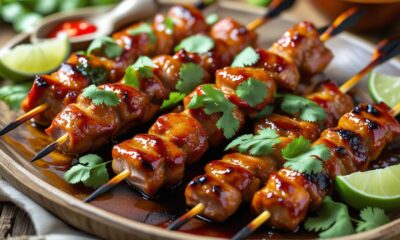
Delicious Chicken Kabab Recipe | 5 Easy Steps to Cook at Home

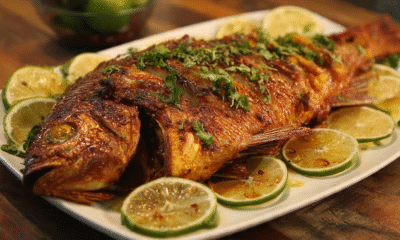
Crispy Fried Fish Recipe – How to Make it at Home

Crispy Air Fryer Paneer Tikka Recipe
-

 Latest Recipes6 months ago
Delicious Chicken Kabab Recipe | 5 Easy Steps to Cook at Home
-
Latest Recipes6 months ago
Crispy Fried Fish Recipe – How to Make it at Home
-
Latest Recipes8 months ago
Crispy Air Fryer Paneer Tikka Recipe
-
Latest Recipes8 months ago
General Tso’s Chicken Roll
-
Family Dinners8 months ago
Taco French Bread Pizza
-
Latest Recipes8 months ago
Moo Ping
-
Latest Recipes6 months ago
10 Best Healthy Breakfast Ideas to Start
-
Family Dinners8 months ago
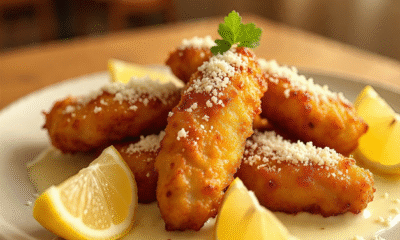
Lemon Garlic Parmesan Chicken Tenders