Tips & Tricks
Kitchen Safety Tips Every Home Cook Should Know

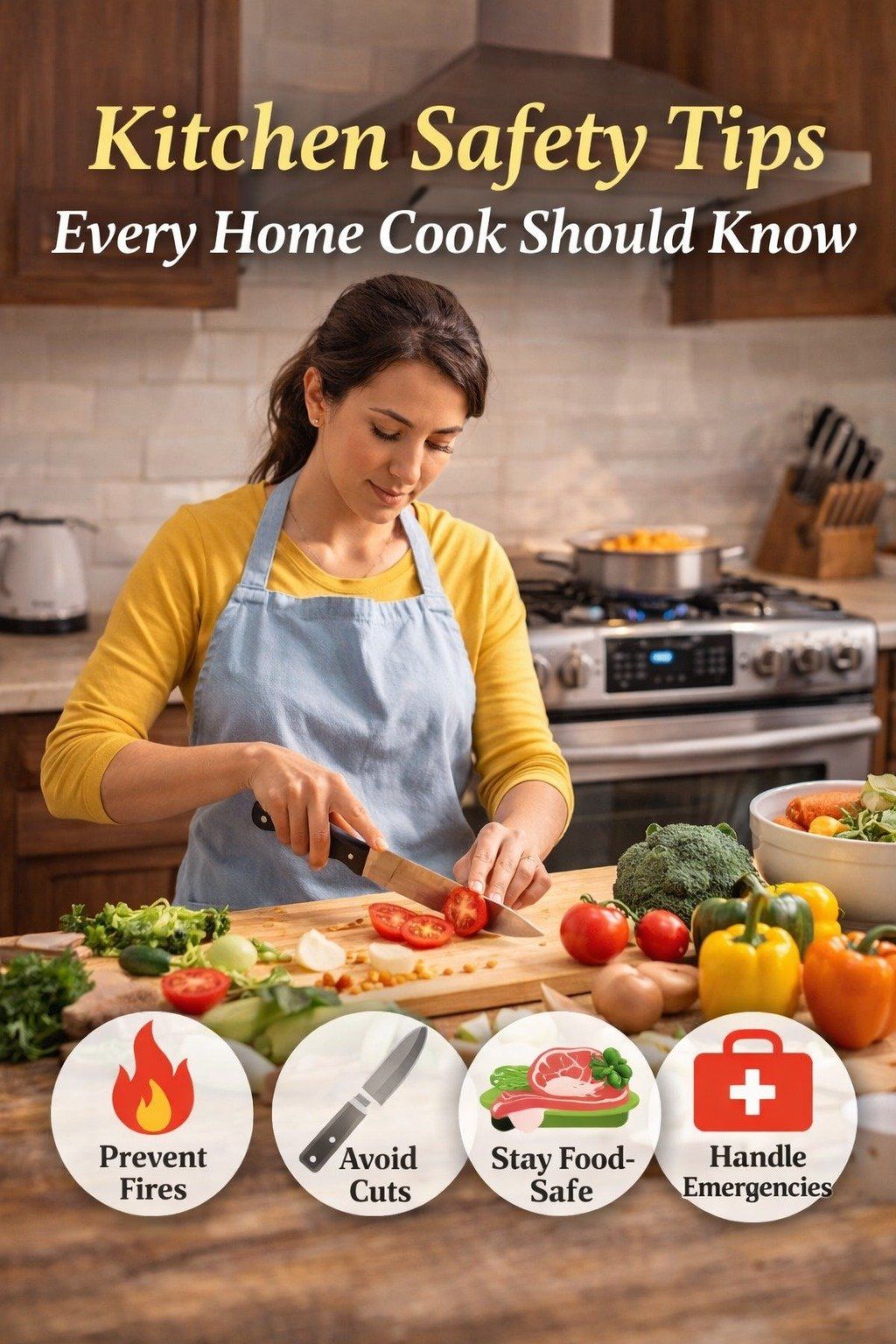
Kitchen Safety Tips Introduction
Cooking at home should be enjoyable, but many beginners overlook basic safety practices that can lead to injuries or food contamination. From improper knife handling to unsafe food storage, small mistakes can create serious problems. Trusted food education platforms often stress safety as a foundation before recipes. Similar to beginner cooking guides, this article focuses on practical awareness rather than fear.
You will learn how to organize your workspace, handle heat safely, and maintain hygiene while cooking daily meals. These kitchen safety tips are designed for everyday kitchens, not professional setups. By following these guidelines, home cooks can reduce risks, cook with confidence, and build long-term habits that make cooking safer and more enjoyable.
1. Start With a Safe Cooking Workspace
A cluttered kitchen increases the risk of accidents. Before you start cooking, take a moment to prepare your space.
Basic kitchen safety rules for home cooking include:
-
Keep countertops clean and dry
-
Remove unnecessary tools and appliances
-
Ensure good lighting around the stove and sink
-
Keep children and pets away from cooking areas
Maintaining a safe cooking space reduces distractions and improves efficiency. You may also want to review our guide on
2. Knife Handling Awareness Matters
Improper knife use is one of the most common causes of kitchen injuries. Developing knife handling awareness is essential for every home cook.
Follow these safety habits:
-
Always cut away from your body
-
Use a stable cutting board with a non-slip base
-
Keep knives sharp to prevent slipping
-
Never try to catch a falling knife
According to food safety guidance from the
👉 U.S. Centers for Disease Control and Prevention (CDC) (DoFollow):
https://www.cdc.gov/food-safety/prevention/index.html
3. Practice Proper Food Hygiene Habits
Food hygiene habits play a critical role in preventing foodborne illness. Cleanliness should never be optional when cooking.
Key hygiene practices:
-
Wash hands before and after handling food
-
Separate raw meat from vegetables
-
Clean cutting boards and knives between uses
-
Refrigerate leftovers promptly
The World Health Organization (WHO) highlights handwashing and cross-contamination prevention as core food safety principles
👉 https://www.who.int/news-room/fact-sheets/detail/food-safety
4. Burn Prevention Tips for Everyday Cooking
Burns are common kitchen injuries, especially when handling hot oil, steam, or cookware.
Burn prevention tips include:
-
Use oven mitts or heat-resistant gloves
-
Turn pot handles inward on the stove
-
Open lids away from your face to avoid steam burns
-
Keep hot liquids away from counter edge.
5. Use Appliances the Right Way
Kitchen appliances make cooking easier, but misuse can be dangerous.
Appliance safety essentials:
-
Read manufacturer instructions
-
Unplug appliances when not in use
-
Keep cords away from heat and water
-
Never overload electrical outlets
The U.S. Food and Drug Administration (FDA) provides consumer safety guidance for kitchen appliances
6. Prevent Slips, Spills, and Falls
Wet floors and spilled ingredients can cause serious injuries.
To stay safe:
-
Clean spills immediately
-
Use non-slip mats near sinks
-
Wear closed-toe shoes while cooking
-
Keep walkways clear
Slip prevention is especially important in busy family kitchens. Learn more in
👉 Home Accident Prevention Tips.
7. Store Food and Tools Safely
Improper storage leads to contamination, spoilage, and injuries.
Safe storage tips:
-
Label leftovers with dates
-
Keep heavy items on lower shelves
-
Store cleaning products away from food
-
Keep sharp tools out of children’s reach
For food storage best practices, refer to guidance from
👉 FoodSafety.gov:
https://www.foodsafety.gov/food-safety-charts
8. Stay Focused While Cooking
Distractions increase the chance of accidents.
Avoid:
-
Using phones while chopping
-
Leaving cooking food unattended
-
Rushing through preparation steps
Staying present and attentive is one of the most overlooked but effective kitchen safety tips.
Frequently Asked Questions
1. What are the most important kitchen safety tips?
The most important kitchen safety tips include knife handling awareness, proper food hygiene habits, burn prevention tips, and maintaining a safe cooking space.
2. Why are basic kitchen safety rules for home cooking important?
They help prevent injuries, food poisoning, and fires while making cooking more confident and enjoyable.
3. How can beginners improve kitchen safety?
Beginners should focus on organization, cleanliness, proper knife use, and avoiding distractions.
4. What is the most common kitchen accident?
Cuts from knives and burns from hot surfaces are the most common kitchen accidents.
5. How does food hygiene affect safety?
Poor food hygiene can cause foodborne illnesses, even if the food looks properly cooked.
6. Should home cooks wear shoes in the kitchen?
Yes, closed-toe shoes help protect against spills, falling objects, and burns.
7. How can I make my kitchen safer for children?
Keep sharp tools locked away, use stove guards, and restrict access during cooking.
Conclusion
Learning and applying kitchen safety tips is essential for anyone who cooks at home. By following basic kitchen safety rules for home cooking, practicing good hygiene, and staying attentive, you create a safer environment for yourself and your family. Small habits make a big difference, turning cooking into a confident, enjoyable daily routine rather than a risky task.


Date Smoothie Bliss: 4-Ingredient Banana Date Shake (7-Minute Energy)

Air Fryer Chicken Recipes: Crispy & Healthy Meals

Healthy Breakfast Ideas for Weight Maintenance

Delicious Chicken Kabab Recipe | 5 Easy Steps to Cook at Home

Crispy Fried Fish Recipe – How to Make it at Home

Crispy Air Fryer Paneer Tikka Recipe
-

 Latest Recipes6 months ago
Delicious Chicken Kabab Recipe | 5 Easy Steps to Cook at Home
-
Latest Recipes6 months ago
Crispy Fried Fish Recipe – How to Make it at Home
-
Latest Recipes8 months ago
Crispy Air Fryer Paneer Tikka Recipe
-
Latest Recipes8 months ago
General Tso’s Chicken Roll
-
Family Dinners8 months ago
Taco French Bread Pizza
-
Latest Recipes8 months ago
Moo Ping
-
Latest Recipes6 months ago
10 Best Healthy Breakfast Ideas to Start
-
Family Dinners8 months ago
Lemon Garlic Parmesan Chicken Tenders